
Ultimate Guide To Essential Concrete Leveling Products
Learn about the most effective tools and supplies for leveling uneven concrete and enhancing your project outcomes.
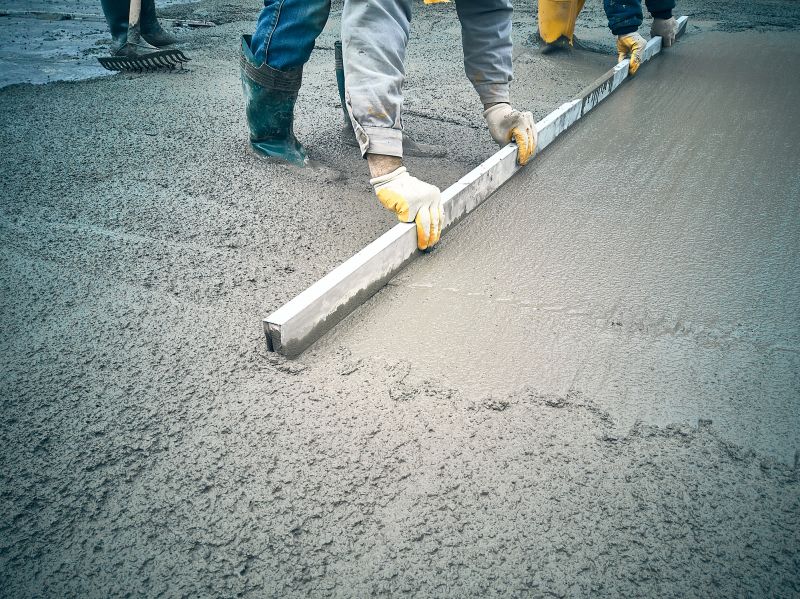 Concrete leveling is an essential process for maintaining the safety, appearance, and functionality of various surfaces around residential and commercial properties. When concrete slabs settle, crack, or become uneven over time, it can pose safety hazards and reduce the aesthetic appeal of walkways, driveways, patios, and other structures. Fortunately, there are numerous products designed to help address these issues effectively. These products typically include self-leveling compounds, concrete lifts, and repair kits that can be applied with minimal specialized equipment, making them accessible for DIY enthusiasts and professionals alike.
Top Overall Option
Self-Leveling Concrete Repair Compound
A versatile and user-friendly product designed for leveling uneven concrete surfaces. It offers smooth application, quick drying times, and durable results suitable for both small repairs and larger projects. Ideal for DIY enthusiasts and professionals seeking reliable performance.
Types of Products For Concrete Levelings
Self-Leveling Concrete Patches
Pre-mixed compounds that flow into cracks and low spots, creating a smooth surface ready for finishing or sealing.
Concrete Lifting Foam
Expanding foam used to raise sunken slabs, providing a quick and minimally invasive repair option.
Polyurethane Urethane Foam
A versatile foam for lifting and stabilizing concrete, often used in commercial and residential settings.
Hydraulic Cement Mixes
Rapid-setting mixes suitable for filling cracks and sealing joints in concrete surfaces.
Epoxy Concrete Repair Kits
Strong bonding compounds used for filling deep cracks and restoring structural integrity.
Polymer-Modified Mortars
Enhanced mortars that adhere well and provide flexible repairs for uneven surfaces.
Concrete Resurfacing Products
Thin overlays that restore the appearance of worn or damaged concrete slabs.
Crack Injection Sealants
Specialized sealants used to fill and seal cracks, preventing water infiltration and further damage.
Rapid-Set Repair Mortars
Fast-curing mortars designed for quick repairs in high-traffic areas.
Slab Jacking Grouts
High-strength grouts used for raising and stabilizing sunken slabs.
Liquid Concrete Fillers
Flowable fillers suitable for filling voids and leveling small areas.
Polyurea Concrete Coatings
Flexible coatings that provide a protective layer and help prevent future damage.
Fiber-Reinforced Repair Mixes
Mixes that include fibers for added strength and crack resistance in repairs.
Waterproofing Sealants
Sealants designed to protect repaired surfaces from water damage and deterioration.
Surface Preparation Cleaners
Products used to clean and prepare concrete surfaces before applying leveling compounds.
Popular Choices
Widely used for quick repairs and smoothing uneven surfaces with minimal effort.
A trending solution for raising sunken slabs with minimal disruption.
Popular for its expanding properties and strong bonding capabilities.
Trusted for their rapid setting times and durability in repair work.
Favored for filling deep cracks and restoring structural integrity.
Commonly used for sealing cracks to prevent water infiltration.
Chosen for restoring worn or damaged concrete surfaces with a fresh look.
Popular for projects requiring quick turnaround times.
Effective for stabilizing and leveling sunken slabs.
Used for filling voids and minor leveling tasks efficiently.
Selected for their flexibility and protective qualities.
Increasingly favored for added strength in concrete repairs.
Popular for protecting new and repaired surfaces from moisture damage.
Modern concrete leveling products are formulated to provide durable, long-lasting results that restore the original surface level without the need for complete replacement. Many of these products are designed for easy mixing and application, often featuring quick-drying properties that reduce downtime. They can be used for small repairs or larger projects, depending on the product specifications. When selecting a product, it is important to consider the specific type of repair needed, the size of the area, and the conditions of the existing concrete surface.
Proper preparation and application are crucial for achieving optimal results. This includes cleaning the area thoroughly, removing loose debris, and ensuring the surface is dry before application. Some products are suitable for filling cracks and voids, while others are intended for lifting and leveling entire slabs. Understanding the different formulations and their best use cases can help users choose the right product for their project. Additionally, safety precautions such as wearing protective gear and working in well-ventilated areas should always be followed.
Overall, investing in quality concrete leveling products can facilitate effective repairs, prolong the lifespan of concrete surfaces, and improve overall safety and appearance. Whether for minor touch-ups or significant repairs, there are options available to meet various needs and skill levels. Proper selection and application of these products can make the process more manageable and result in a professional-looking finish that enhances the value of any property.
Key Buying Considerations
- Determine the extent of the damage and choose a product suited for the repair size.
- Consider whether the product is designed for lifting, filling, or resurfacing.
- Check drying and curing times to fit your project timeline.
- Evaluate the ease of application, especially if DIY use is intended.
- Assess the compatibility of the product with existing concrete conditions.
- Look for products that provide durable and long-lasting results.
- Consider safety features and required protective equipment during application.
- Review manufacturer instructions for surface preparation requirements.
- Identify whether the product is suitable for indoor or outdoor use.
- Check for any specific temperature or environmental conditions for application.
- Determine if additional primers or sealants are necessary for optimal adhesion.
- Review customer feedback and ratings for real-world performance insights.
- Estimate the overall project cost, including any necessary tools or accessories.
- Ensure the product complies with local building codes and standards.
- Consider the availability of technical support or customer service from the supplier.